Learning is how systems change.
Every education reform and health programme depends on people doing their work differently. We help the institutions behind them turn learning into lasting practice, for frontline people in the places where it is hardest to reach them.
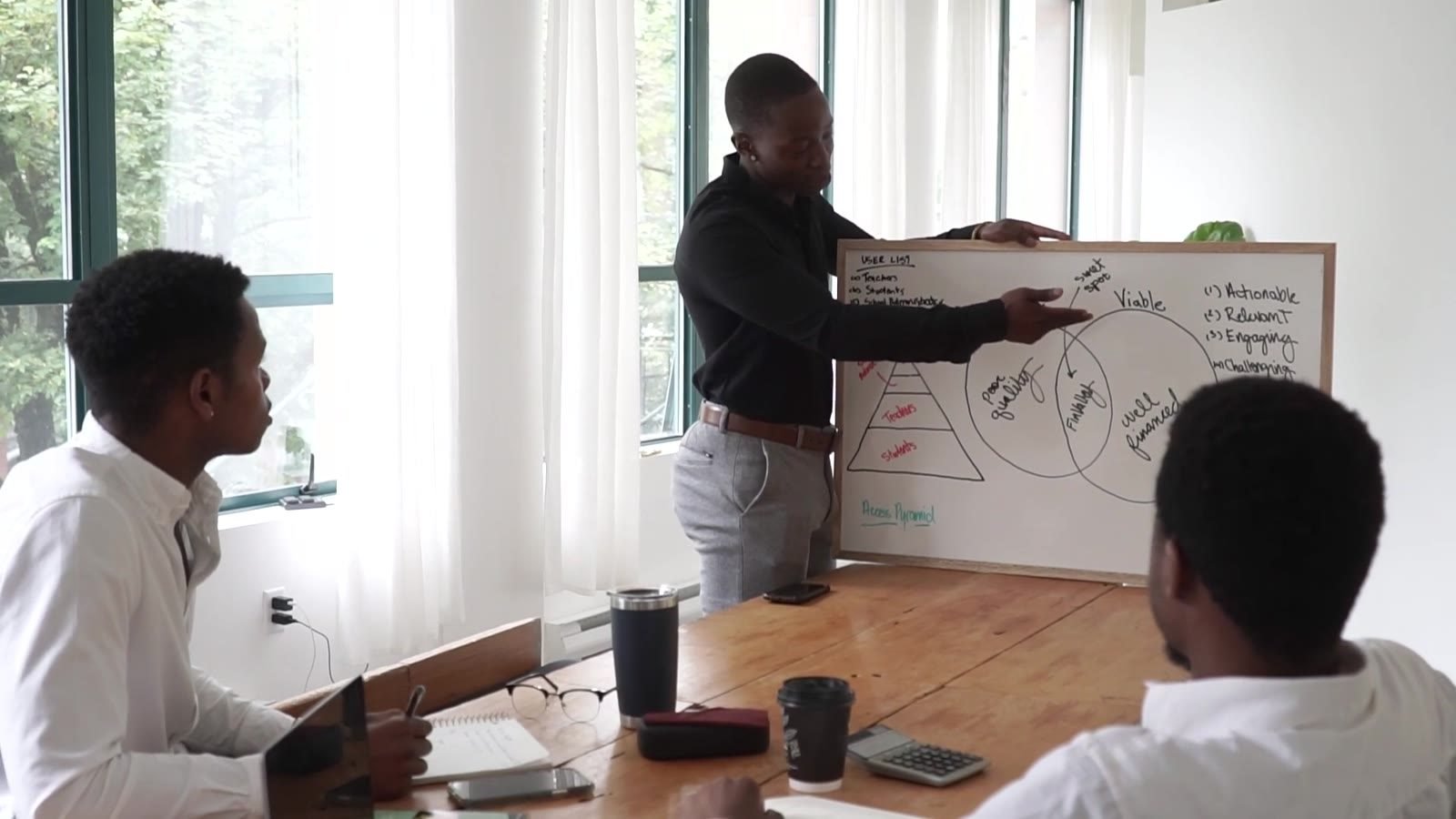
The distance between knowing and doing is the most underused lever in development.
Governments, donors and school networks invest heavily in the people who deliver their programmes. The return on that investment is decided after the training ends, in the classroom, the clinic and the office.
We design for that moment, bringing together behavioural science, learning data and technology people already use, delivered through the coaches, peers and managers around them.
We help institutions build four things that last.
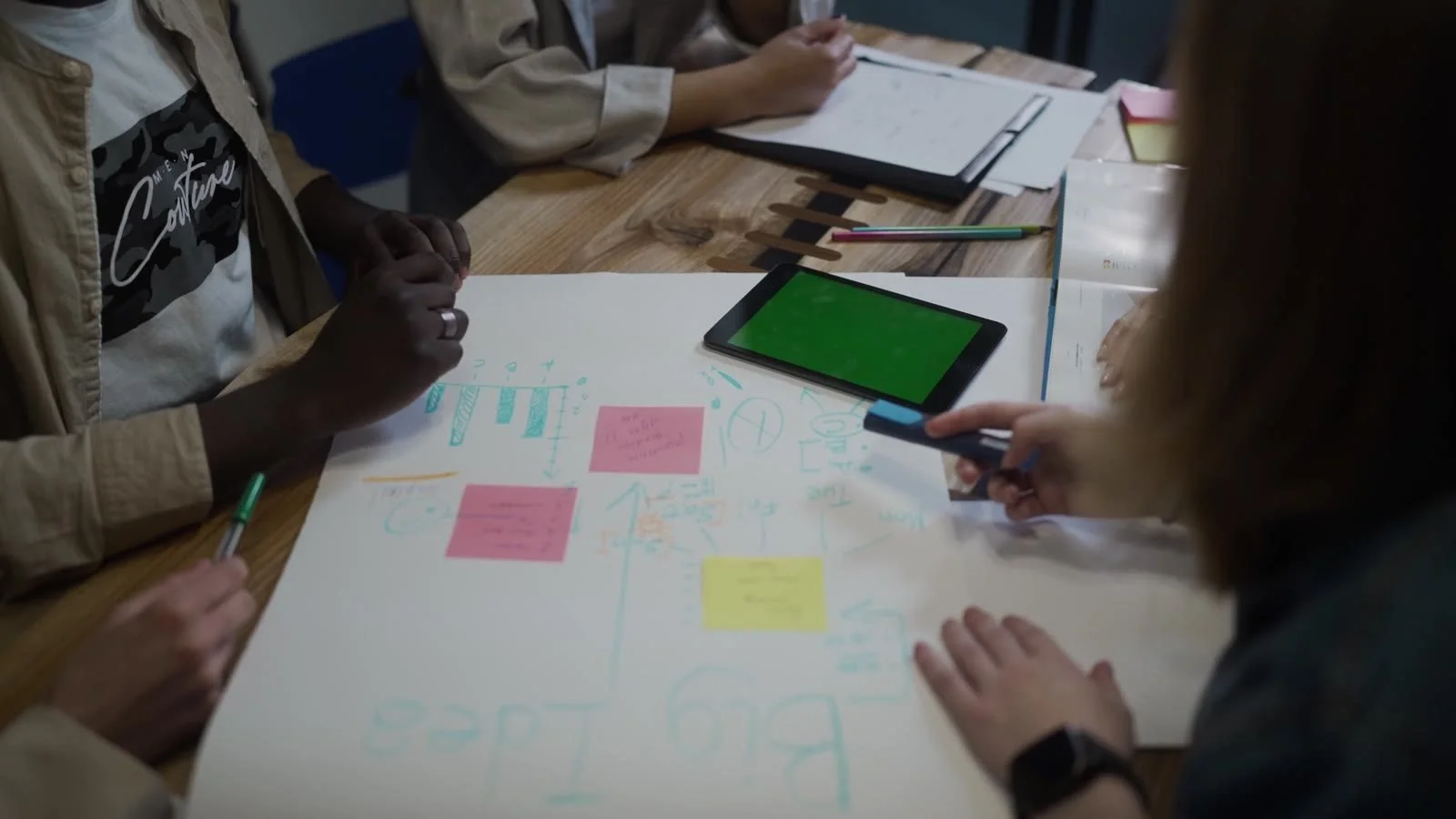
Practice that changes, with evidence that shows it.
The challenge
Courses are completed and tests are passed, yet daily routines stay the same. Most programmes can report attendance and knowledge; very few can show what people now do differently.
How we work on it
We study what happens after training ends with learners, trainers and managers, and read the data a programme already holds. Together we arrive at a clear account of where practice breaks down and co-design a focused set of changes.
Training needs and adoption assessment, formative research, behavioural drivers, programme data review
Our own first product proved the point. Research with teachers showed that content alone could not shift classroom practice, and we rebuilt our model around coaching.
Source: SPRING programme evaluation, Coffey International, 2019
Learning that reaches people where they work.
The challenge
The people a programme depends on are often the hardest to gather: short of time, spread across districts, on weak networks, or working through conflict and crisis.
How we work on it
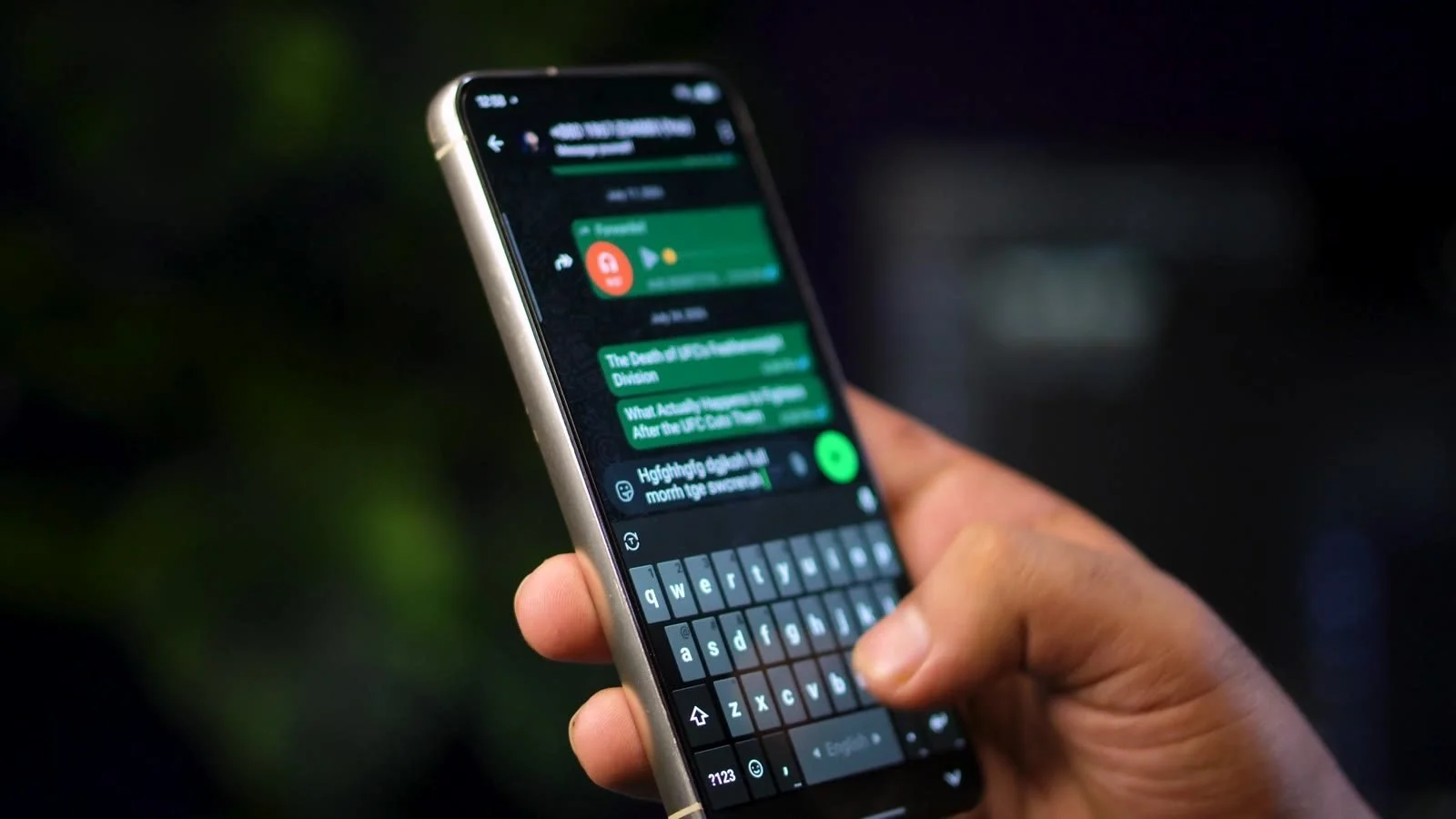
We turn curricula, manuals and courses into learning that fits a working day: short lessons on the chat apps people already use, practice tasks, discussion and live peer sessions, in local languages and built for basic phones.
Learning experience design, blended learning, mobile and offline learning, chat-based microlearning, local-language content
When COVID closed the training rooms, officials from seven Ethiopian water agencies moved onto a five-week course on Telegram. Most had never learned online; enrolment grew from 32 to 55.
Source: SIWI and Accelerated, Flamingo programme report, 2021
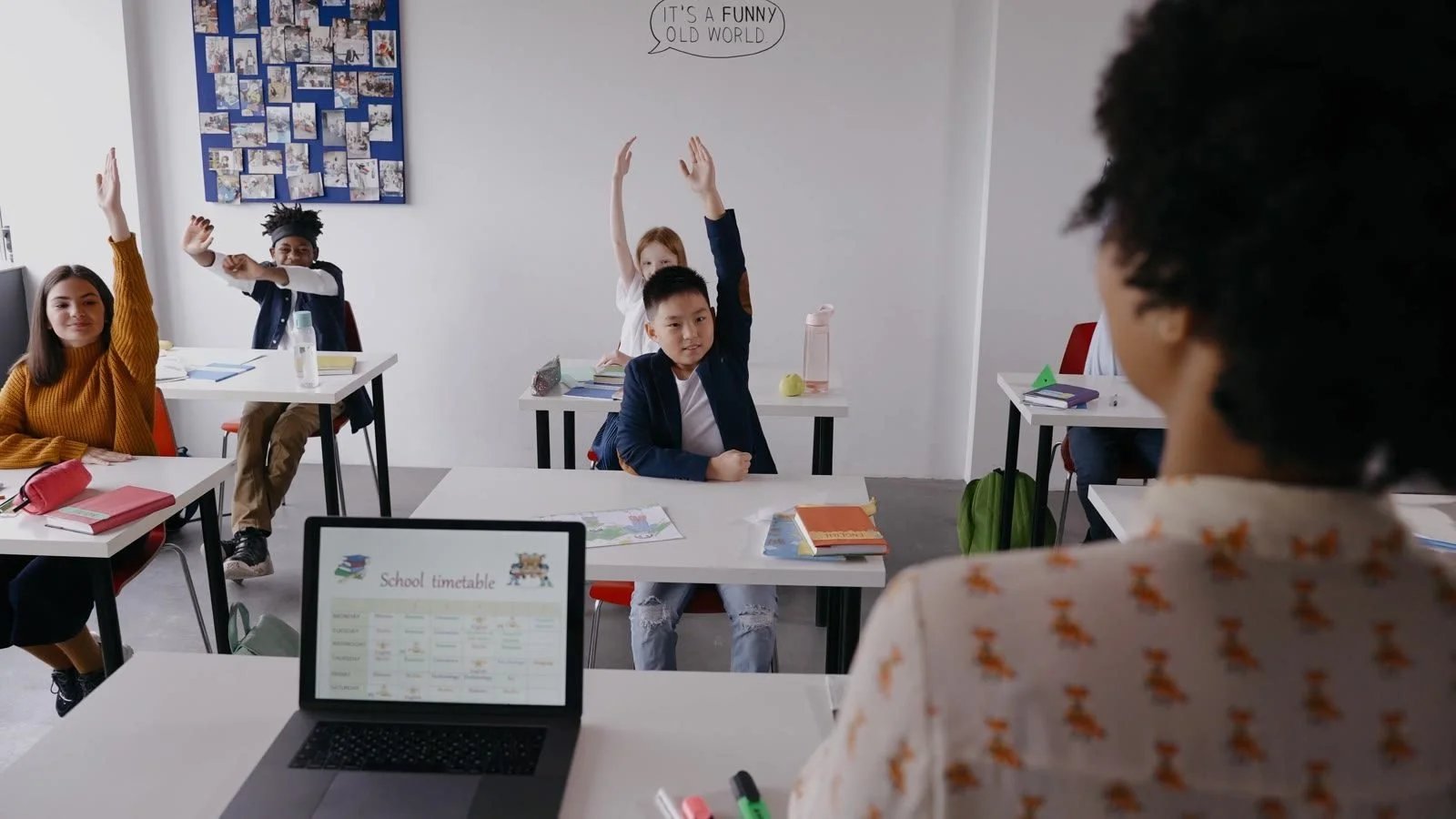
Technology that becomes part of the working week.
The challenge
Teacher apps, AI assistants, coaching platforms and dashboards are spreading fast. Their value depends on whether people return to them, and those who most need the feedback are often the least likely to open it.
How we work on it
We design the human side of the tool: the routines, coaching conversations, prompts and peer groups that make it part of the week, and the signals that show who uses it and what changes. We work alongside the platform and the implementing partner.
Digital adoption design, coaching routines, coach calibration, usage signals
We judged our coach app and data platform by one test: did the next coaching conversation improve? Together they supported more than 10,000 classroom observations over three school years.
Source: HundrED, July 2019

Change that outlasts the programme.
The challenge
Coaching is costly to scale, skilled trainers move on and cascade models thin out at every level. Practice built during a funding cycle needs people and systems to carry it beyond that cycle.
How we work on it
With implementing partners, we run cohorts, coaching and learning communities through local facilitators, adjusting as evidence comes in. We then prepare your coaches and trainers to lead, and leave the playbooks, content and tools with your team.
Training of trainers (ToT), coaching and mentoring, supportive supervision, learning communities, playbooks and handover
In our school programme each coach supported about 100 teachers, at about $100 per teacher a year.
Source: SPRING programme evaluation, Coffey International, 2019
Evidence while it can still change the outcome.
Every programme we shape includes light, behaviour-level signals, read while it runs, so that course corrections happen within weeks, long before the final report.
Who returns and completes
What coaches and peers report about practice
What it costs per learner
How well it runs on basic phones and weak networks
Long-term outcomes belong with independent evaluators. We design programmes that make their work easier.
Partnerships shaped around your programme.
Many partnerships begin with a focused assessment or a single redesign, and grow from there as the evidence comes in.
Assessment
A focused look at one programme or portfolio: where practice is changing, where it stalls, and what would make the difference.
Programme design
Your content and tools redesigned around the people who use them, ready for your teams and partners to run.
Programme partnership
Alongside your implementing partners, we run, adapt and hand over the programme, building the capability to sustain it.
We partner with institutions that invest in people at scale.
We often work within consortia led by larger implementers, platforms and research partners, bringing learning design and follow-through to the programmes they lead. Our behavioural work also supports social and behaviour change (SBC) programmes and capacity strengthening for government partners.
Institutions
Foundations and bilateral donors
UN agencies and international NGOs
Ministries and public agencies
School networks and education platforms
The people they reach
Teachers and school leaders
Civil servants
Health workers
Entrepreneurs and sector teams
Parents
Let’s build what lasts.
Tell us about the people your work depends on and what needs to change. We will help you find the right place to begin.